Buy augenaerzte.eu ?
We are moving the project
augenaerzte.eu .
Are you interested in purchasing the domain
augenaerzte.eu ?
domain@kv-gmbh.de · 0541-91531010
Buy augenaerzte.eu ?
Which Santoku?
When choosing a Santoku knife, it is important to consider the blade material, handle design, and overall comfort and balance of the knife. High-quality Santoku knives are typically made of high-carbon stainless steel for durability and sharpness. Look for a knife with a comfortable handle that provides a secure grip to prevent slipping during use. Ultimately, the best Santoku knife for you will depend on your personal preferences and cooking style. **
What is a Santoku used for?
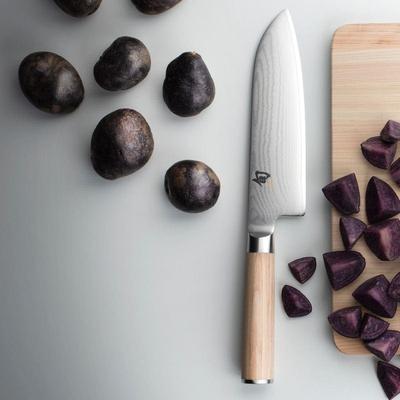
A Santoku knife is a versatile Japanese knife that is used for a variety of kitchen tasks. Its name translates to "three virtues" or "three uses," referring to its ability to handle slicing, dicing, and mincing. The Santoku is designed for precision cutting, making it ideal for preparing vegetables, fruits, and boneless meats. Its wide blade and sharp edge make it well-suited for both chopping and slicing, making it a popular choice for home cooks and professional chefs alike. **


Similar search terms for Santoku
Top-Angebote
Products related to Santoku:
-
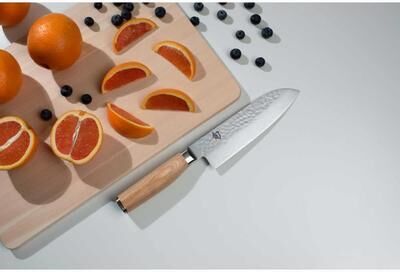
Kasumi 13cm Santoku KnifeThis Kasumi 13cm santoku knife is made from 32 layer Damascus steel with a 59-60 Rockwell hardness. The full tang laminated wooden handle is riveted for extra strength and durability. The 13cm santoku knife is great for medium sized vegetables especially courgettes and aubergines. Made in Seki, Japan. Knives are not for sale to persons under the age of 18. - all knives and bladed products are delivered by Age Verified Delivery (AVD). The carrier may request proof of age in order to deliver your parcel. If proof of age is not available, or the recipient is underage, the carrier will refuse to deliver.119,95 £*Shipping: 0,00 £Secure redirect to the provider
-
Scanpan Classic 12.5cm Santoku KnifeThe Scanpan Classic 12.5cm Santoku is designed to help you cut paper thin slices on food, as well as dice finely. The Scanpan Classic 12.5cm Santoku contains a scalloped edge blades to help prevent ingredients from sticking to the knife. Part of the Scanpan Classic knife collection. Knives are not for sale to persons under the age of 18. - all knives and bladed products are delivered by Age Verified Delivery (AVD). The carrier may request proof of age in order to deliver your parcel. If proof of age is not available, or the recipient is underage, the carrier will refuse to deliver.39,60 £*Shipping: 3,50 £Secure redirect to the provider
-
Scanpan Classic 18cm Santoku KnifeThe Scanpan Classic 18cm Santoku is designed to help you cut paper thin slices on food, as well as dice finely. The Scanpan Classic 18cm Santoku contains a scalloped edge blades to help prevent ingredients from sticking to the knife. Part of the Scanpan Classic knife collection. Knives are not for sale to persons under the age of 18. - all knives and bladed products are delivered by Age Verified Delivery (AVD). The carrier may request proof of age in order to deliver your parcel. If proof of age is not available, or the recipient is underage, the carrier will refuse to deliver.53,10 £*Shipping: 0,00 £Secure redirect to the provider



-
Which is better, a Santoku knife or a chef's knife?
The choice between a Santoku knife and a chef's knife ultimately depends on personal preference and the specific tasks you will be using the knife for. Santoku knives are known for their versatility and are great for slicing, dicing, and mincing, making them a popular choice for everyday cooking. On the other hand, chef's knives are more all-purpose and can handle a wider range of tasks, including chopping, slicing, and even some light cleaver work. If you are looking for a knife that can handle a variety of tasks, a chef's knife may be the better option. However, if you prioritize precision and control in your cutting, a Santoku knife may be the better choice. **
-
What is ophthalmology?
Ophthalmology is the branch of medicine that deals with the diagnosis and treatment of eye disorders and diseases. Ophthalmologists are medical doctors who specialize in the medical and surgical care of the eyes. They are trained to provide a wide range of eye care services, including performing eye exams, prescribing corrective lenses, diagnosing and treating eye conditions such as cataracts, glaucoma, and macular degeneration, and performing eye surgeries. Ophthalmology is a crucial field in maintaining and improving the health and function of the eyes. **
-
Which eye drops are used by the ophthalmologist?
The ophthalmologist may use a variety of eye drops depending on the specific condition being treated. Some common eye drops used by ophthalmologists include artificial tears for dry eye, antibiotic or antiviral eye drops for infections, steroid eye drops for inflammation, and dilating eye drops for eye exams. Additionally, ophthalmologists may also prescribe medicated eye drops for conditions such as glaucoma or allergies. It is important to follow the ophthalmologist's instructions for using the prescribed eye drops to ensure proper treatment and care for the eyes. **
-
How does an eye examination at the ophthalmologist proceed?
During an eye examination at the ophthalmologist, the patient's medical history and any current eye issues are discussed. The ophthalmologist then performs various tests to assess the patient's vision, eye pressure, and overall eye health. This may include using a chart to check visual acuity, examining the eyes with a light, and using special instruments to look at the back of the eye. Based on the results of these tests, the ophthalmologist can diagnose any vision problems or eye conditions and recommend appropriate treatment. **

Do Bepanthen eye drops affect vision?
Bepanthen eye drops are typically used to relieve dry and irritated eyes, and they are not known to have any significant impact on vision. However, like any eye drops, they may cause temporary blurriness immediately after application due to the liquid in the eyes. It is recommended to wait a few minutes after using the drops before engaging in activities that require clear vision, such as driving or operating machinery. **
Should I have the vision test done by an ophthalmologist or an optician?
If you are looking to have a comprehensive vision test done, it is recommended to see an ophthalmologist. Ophthalmologists are medical doctors who specialize in eye care and can diagnose and treat a wide range of eye conditions. Opticians, on the other hand, are trained to fit and dispense eyeglasses and contact lenses based on prescriptions provided by ophthalmologists or optometrists. For a thorough evaluation of your eye health and vision, seeing an ophthalmologist would be the best choice. **
Top-Angebote
Products related to Santoku:
-
Taylor s Eye Witness Grasmere 18cm Santoku KnifeThe Taylor's Eye Witness Grasmere 18cm Santoku Knife is a versatile kitchen essential, combining precise cutting performance with the distinctive character of natural olivewood. Inspired by the traditional Japanese santoku design, it's ideal for slicing, dicing and finely chopping vegetables, meat and fish with accuracy and ease. Its precision taper-ground blade offers excellent sharpness and balance, allowing for smooth, controlled preparation of everyday ingredients. The broad blade profile also makes it easy to transfer chopped food directly from the board to the pan. Crafted from beautifully grained olivewood, the octagonal handle provides a comfortable, secure grip and promotes confident handling during repetitive kitchen tasks. Naturally hardwearing and rich in character, olivewood develops a deeper patina over time, making each knife truly individual. The olivewood used throughout the Grasmere collection is sustainably sourced from farmed trees that have reached the end of their fruit-producing life, giving new purpose to a renewable natural material. Elegant, practical and comfortable to use, this 18cm Santoku Knife is a valuable addition to any cookware collection. Knives are not for sale to persons under the age of 18. - all knives and bladed products are delivered by Age Verified Delivery (AVD). The carrier may request proof of age in order to deliver your parcel. If proof of age is not available, or the recipient is underage, the carrier will refuse to deliver.15,00 £*Shipping: 3,50 £Secure redirect to the provider
-
Taylor s Eye Witness Heritage Series 16cm Santoku KnifeMade with pride in Sheffield, this Taylor's Eye Witness Heritage Series Sheffield Made 16cm Santoku Knife is equally at home in a traditional kitchen as it is in a modern one. The full tang 16cm fluted blade on this santoku knife is crafted from a single piece of high carbon stainless steel which is then precision ground to provide excellent flexibility, strength and long lasting sharpness. The handle is secured with three solid brass rivets and then hand finished in the same way they have been for generations. Shaped to fit perfectly in the hand, the handle also features an endstop to prevent the knife from accidently slipping during use. Although this Heritage Series 16cm santoku knife from Taylor's Eye Witness is dishwasher safe, we would recommended hand washing. The Taylor's Eye Witness Heritage Series Sheffield Made 16cm Santoku Knife is supplied with a no quibble, manufacturer's lifetime guarantee. Knives are not for sale to persons under the age of 18. - all knives and bladed products are delivered by Age Verified Delivery (AVD). The carrier may request proof of age in order to deliver your parcel. If proof of age is not available, or the recipient is underage, the carrier will refuse to deliver.36,90 £*Shipping: 3,50 £Secure redirect to the provider
-
Kasumi 13cm Santoku KnifeThis Kasumi 13cm santoku knife is made from 32 layer Damascus steel with a 59-60 Rockwell hardness. The full tang laminated wooden handle is riveted for extra strength and durability. The 13cm santoku knife is great for medium sized vegetables especially courgettes and aubergines. Made in Seki, Japan. Knives are not for sale to persons under the age of 18. - all knives and bladed products are delivered by Age Verified Delivery (AVD). The carrier may request proof of age in order to deliver your parcel. If proof of age is not available, or the recipient is underage, the carrier will refuse to deliver.119,95 £*Shipping: 0,00 £Secure redirect to the provider
-
Scanpan Classic 12.5cm Santoku KnifeThe Scanpan Classic 12.5cm Santoku is designed to help you cut paper thin slices on food, as well as dice finely. The Scanpan Classic 12.5cm Santoku contains a scalloped edge blades to help prevent ingredients from sticking to the knife. Part of the Scanpan Classic knife collection. Knives are not for sale to persons under the age of 18. - all knives and bladed products are delivered by Age Verified Delivery (AVD). The carrier may request proof of age in order to deliver your parcel. If proof of age is not available, or the recipient is underage, the carrier will refuse to deliver.39,60 £*Shipping: 3,50 £Secure redirect to the provider
-
Which Santoku?
When choosing a Santoku knife, it is important to consider the blade material, handle design, and overall comfort and balance of the knife. High-quality Santoku knives are typically made of high-carbon stainless steel for durability and sharpness. Look for a knife with a comfortable handle that provides a secure grip to prevent slipping during use. Ultimately, the best Santoku knife for you will depend on your personal preferences and cooking style. **
-
What is a Santoku used for?
A Santoku knife is a versatile Japanese knife that is used for a variety of kitchen tasks. Its name translates to "three virtues" or "three uses," referring to its ability to handle slicing, dicing, and mincing. The Santoku is designed for precision cutting, making it ideal for preparing vegetables, fruits, and boneless meats. Its wide blade and sharp edge make it well-suited for both chopping and slicing, making it a popular choice for home cooks and professional chefs alike. **
-
Which is better, a Santoku knife or a chef's knife?
The choice between a Santoku knife and a chef's knife ultimately depends on personal preference and the specific tasks you will be using the knife for. Santoku knives are known for their versatility and are great for slicing, dicing, and mincing, making them a popular choice for everyday cooking. On the other hand, chef's knives are more all-purpose and can handle a wider range of tasks, including chopping, slicing, and even some light cleaver work. If you are looking for a knife that can handle a variety of tasks, a chef's knife may be the better option. However, if you prioritize precision and control in your cutting, a Santoku knife may be the better choice. **
-
What is ophthalmology?
Ophthalmology is the branch of medicine that deals with the diagnosis and treatment of eye disorders and diseases. Ophthalmologists are medical doctors who specialize in the medical and surgical care of the eyes. They are trained to provide a wide range of eye care services, including performing eye exams, prescribing corrective lenses, diagnosing and treating eye conditions such as cataracts, glaucoma, and macular degeneration, and performing eye surgeries. Ophthalmology is a crucial field in maintaining and improving the health and function of the eyes. **
Similar search terms for Santoku
-
Scanpan Classic 18cm Santoku KnifeThe Scanpan Classic 18cm Santoku is designed to help you cut paper thin slices on food, as well as dice finely. The Scanpan Classic 18cm Santoku contains a scalloped edge blades to help prevent ingredients from sticking to the knife. Part of the Scanpan Classic knife collection. Knives are not for sale to persons under the age of 18. - all knives and bladed products are delivered by Age Verified Delivery (AVD). The carrier may request proof of age in order to deliver your parcel. If proof of age is not available, or the recipient is underage, the carrier will refuse to deliver.53,10 £*Shipping: 0,00 £Secure redirect to the provider
-
Which eye drops are used by the ophthalmologist?
The ophthalmologist may use a variety of eye drops depending on the specific condition being treated. Some common eye drops used by ophthalmologists include artificial tears for dry eye, antibiotic or antiviral eye drops for infections, steroid eye drops for inflammation, and dilating eye drops for eye exams. Additionally, ophthalmologists may also prescribe medicated eye drops for conditions such as glaucoma or allergies. It is important to follow the ophthalmologist's instructions for using the prescribed eye drops to ensure proper treatment and care for the eyes. **
-
How does an eye examination at the ophthalmologist proceed?
During an eye examination at the ophthalmologist, the patient's medical history and any current eye issues are discussed. The ophthalmologist then performs various tests to assess the patient's vision, eye pressure, and overall eye health. This may include using a chart to check visual acuity, examining the eyes with a light, and using special instruments to look at the back of the eye. Based on the results of these tests, the ophthalmologist can diagnose any vision problems or eye conditions and recommend appropriate treatment. **
-
Do Bepanthen eye drops affect vision?
Bepanthen eye drops are typically used to relieve dry and irritated eyes, and they are not known to have any significant impact on vision. However, like any eye drops, they may cause temporary blurriness immediately after application due to the liquid in the eyes. It is recommended to wait a few minutes after using the drops before engaging in activities that require clear vision, such as driving or operating machinery. **
-
Should I have the vision test done by an ophthalmologist or an optician?
If you are looking to have a comprehensive vision test done, it is recommended to see an ophthalmologist. Ophthalmologists are medical doctors who specialize in eye care and can diagnose and treat a wide range of eye conditions. Opticians, on the other hand, are trained to fit and dispense eyeglasses and contact lenses based on prescriptions provided by ophthalmologists or optometrists. For a thorough evaluation of your eye health and vision, seeing an ophthalmologist would be the best choice. **
* All prices are inclusive of VAT and, if applicable, plus shipping costs. The offer information is based on the details provided by the respective shop and is updated through automated processes. Real-time updates do not occur, so deviations can occur in individual cases. ** Note: Parts of this content were created by AI.