Buy augenaerzte.eu ?
We are moving the project
augenaerzte.eu .
Are you interested in purchasing the domain
augenaerzte.eu ?
domain@kv-gmbh.de · 0541-91531010
Buy augenaerzte.eu ?
What are perceptual mechanisms?
Perceptual mechanisms refer to the processes by which our brain interprets and organizes sensory information from the environment. These mechanisms help us make sense of the world around us by filtering, selecting, and interpreting incoming sensory stimuli. They play a crucial role in shaping our perceptions, influencing how we perceive and understand the world. Perceptual mechanisms can vary from person to person and can be influenced by factors such as past experiences, expectations, and cultural background. **
What is the law of perceptual organization in psychology?
The law of perceptual organization in psychology refers to the principles that govern how we perceive and organize sensory information in our environment. These principles include proximity, similarity, closure, continuity, and simplicity. These laws help us make sense of the world by grouping stimuli together based on their physical characteristics, leading to a coherent and meaningful perception of our surroundings. By understanding these principles, psychologists can better understand how our brains process and interpret sensory information. **

Similar search terms for Perceptual
Top-Angebote
Products related to Perceptual:
-
Uplifted Finds Artisan Vision Coasters 6 Pack Devil's Eye Wooden Table Protection Executive Studio & Mystic Sanctuary Decor Artisan Vision Coasters 6 Pack Devil's Eye Wooden Table Protection Executive Studio & Mystic Sanctuary Decor"Inaugurate a protective ""InsightSanctuary"" energy in your environment with our Artisan Vision Coasters. This premium 6piece set of wooden desktop insulation mats is the ultimate designer solution for creating a ""MysticModern"" or..."43,97 $*Shipping: 0,00 $Secure redirect to the provider
-
Uplift Essentials Improving Vision Pinhole Glasses For Eye Training And Focus Correction style AStrengthen your eye focus naturally with these specially designed pinhole glasses that help reduce visual strain and support healthier eyesight habits. By letting your eyes look through precision micro holes, these glasses encourage your vision to...34,97 $*Shipping: 0,00 $Secure redirect to the provider
-
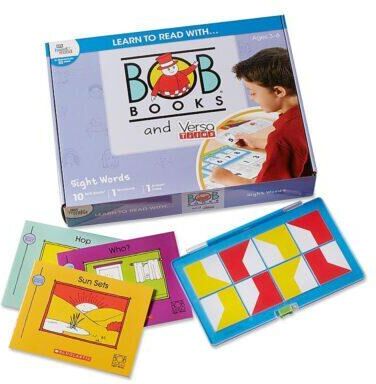
BOB Books VersaTiles Kit: Sight WordsBob Books offers repetition and fun stories to introduce important sight words. Consistent short vowels and simple stories ensure that each book is a gentle step into early reading.Alongside these books students can practice the skills they are...39,99 $*Shipping: 0,00 $Secure redirect to the provider
-
BOB Books Water Workbook: Sight Words SetBring Bob Books characters to life and extend the learning from the beloved Bob Books Kindergarten Sight Words series! Children have on-the-go fun while developing critical prereading and fine motor skills. Use the soft-tip water pen to fill the...22,99 $*Shipping: 0,00 $Secure redirect to the provider



-
What does attention mean from a perceptual theoretical perspective?
From a perceptual theoretical perspective, attention refers to the cognitive process of selectively focusing on certain aspects of the environment while ignoring others. It involves the allocation of cognitive resources to specific stimuli or tasks, enhancing the processing and perception of the selected information. Attention is crucial for organizing and interpreting sensory input, allowing individuals to effectively navigate and interact with their surroundings. Perceptual theories of attention also emphasize the role of top-down influences, such as expectations and goals, in shaping attentional processes. **
-
What is the threshold of perception in the perceptual process?
The threshold of perception in the perceptual process refers to the minimum level of stimulation required for a person to consciously experience a sensation. It is the point at which a stimulus becomes strong enough to be detected by the sensory receptors and processed by the brain. Below this threshold, the stimulus goes unnoticed by the individual. The threshold of perception can vary depending on factors such as the individual's sensory sensitivity and the nature of the stimulus. **
-
What is the difference between sensory impairments and perceptual disorders?
Sensory impairments refer to the loss or reduction of the ability to receive or process sensory information, such as sight, hearing, touch, taste, or smell. This can be due to a variety of factors, including injury, disease, or genetic conditions. Perceptual disorders, on the other hand, refer to difficulties in interpreting or making sense of sensory information that is received. This can include challenges in recognizing or understanding visual, auditory, tactile, or other sensory stimuli, and can be caused by neurological conditions or brain injury. In summary, sensory impairments involve a reduced ability to receive sensory information, while perceptual disorders involve challenges in interpreting or making sense of that information. **
-
Does she have a perceptual disorder? Why is she doing that?
It is not possible to determine if she has a perceptual disorder without further evaluation by a medical professional. There could be various reasons why she is behaving in a certain way, such as stress, anxiety, or a neurological condition. It is important to consult with a healthcare provider to determine the underlying cause of her behavior. **


What perceptual or cognitive errors does the human make with all technical terms?
Humans often make perceptual and cognitive errors with technical terms by either misinterpreting or misunderstanding their meaning. This can happen when individuals lack the necessary background knowledge to fully comprehend the technical terms, leading to confusion or misinterpretation. Additionally, cognitive biases can also lead to errors in understanding technical terms, as individuals may interpret the terms based on their preconceived notions or beliefs rather than their actual meaning. Finally, the use of jargon or complex language in technical terms can also lead to errors in perception and understanding, as individuals may struggle to grasp the meaning of the terms due to their complexity. **
How can one explain bottom-up and top-down processing in perceptual psychology using examples?
Bottom-up processing in perceptual psychology refers to the processing of sensory information from the environment to form a perception. This means that perception is driven by the sensory input itself, without any prior knowledge or expectations influencing the process. For example, when you see a new type of fruit for the first time, your brain processes the sensory information (color, shape, texture) to form a perception of the fruit. On the other hand, top-down processing involves using prior knowledge, expectations, and context to interpret sensory information and form a perception. This means that perception is influenced by our existing knowledge and expectations. For example, if you see a blurry image of a familiar object, your brain may use your prior knowledge and expectations to interpret the image and perceive the object correctly. In summary, bottom-up processing is driven by sensory input, while top-down processing is influenced by prior knowledge and expectations. Both processes work together to help us make sense of the world around us. **
Top-Angebote
Products related to Perceptual:
-
Happy Pet Pantry Pure Sight Pet Eye Wipes For Dogs & Cats Tear Stain Remover & Daily Eye Cleaner Pure Sight Pet Eye Wipes For Dogs & Cats Tear Stain Remover & Daily Eye CleanerKeep your pet looking fresh, clean, and comfortable every day with pet eye wipes designed to gently remove dirt, discharge, and tear stains. Perfect for both dogs and cats, these soft cleansing wipes help maintain a cleaner eye area without causing...31,97 $*Shipping: 0,00 $Secure redirect to the provider
-
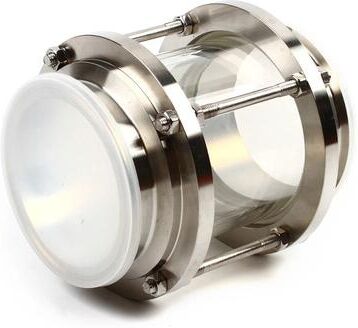
All Categories Goods Inline Sanitary Flow Sight Glass With Tri Clamp Sight Glass For Food & Beverage Inline Sanitary Flow Sight Glass With Tri Clamp Sight Glass For Food & BeverageImagine always knowing exactly whats flowing through your system at a glance no guesswork, no interruptions. This 4 approx inline sight glass gives brewers, food processors, and beverage makers a crystalclear view of liquids in motion, so you can...126,97 $*Shipping: 0,00 $Secure redirect to the provider
-
Uplifted Finds Artisan Vision Coasters 6 Pack Devil's Eye Wooden Table Protection Executive Studio & Mystic Sanctuary Decor Artisan Vision Coasters 6 Pack Devil's Eye Wooden Table Protection Executive Studio & Mystic Sanctuary Decor"Inaugurate a protective ""InsightSanctuary"" energy in your environment with our Artisan Vision Coasters. This premium 6piece set of wooden desktop insulation mats is the ultimate designer solution for creating a ""MysticModern"" or..."43,97 $*Shipping: 0,00 $Secure redirect to the provider
-
Uplift Essentials Improving Vision Pinhole Glasses For Eye Training And Focus Correction style AStrengthen your eye focus naturally with these specially designed pinhole glasses that help reduce visual strain and support healthier eyesight habits. By letting your eyes look through precision micro holes, these glasses encourage your vision to...34,97 $*Shipping: 0,00 $Secure redirect to the provider
-
What are perceptual mechanisms?
Perceptual mechanisms refer to the processes by which our brain interprets and organizes sensory information from the environment. These mechanisms help us make sense of the world around us by filtering, selecting, and interpreting incoming sensory stimuli. They play a crucial role in shaping our perceptions, influencing how we perceive and understand the world. Perceptual mechanisms can vary from person to person and can be influenced by factors such as past experiences, expectations, and cultural background. **
-
What is the law of perceptual organization in psychology?
The law of perceptual organization in psychology refers to the principles that govern how we perceive and organize sensory information in our environment. These principles include proximity, similarity, closure, continuity, and simplicity. These laws help us make sense of the world by grouping stimuli together based on their physical characteristics, leading to a coherent and meaningful perception of our surroundings. By understanding these principles, psychologists can better understand how our brains process and interpret sensory information. **
-
What does attention mean from a perceptual theoretical perspective?
From a perceptual theoretical perspective, attention refers to the cognitive process of selectively focusing on certain aspects of the environment while ignoring others. It involves the allocation of cognitive resources to specific stimuli or tasks, enhancing the processing and perception of the selected information. Attention is crucial for organizing and interpreting sensory input, allowing individuals to effectively navigate and interact with their surroundings. Perceptual theories of attention also emphasize the role of top-down influences, such as expectations and goals, in shaping attentional processes. **
-
What is the threshold of perception in the perceptual process?
The threshold of perception in the perceptual process refers to the minimum level of stimulation required for a person to consciously experience a sensation. It is the point at which a stimulus becomes strong enough to be detected by the sensory receptors and processed by the brain. Below this threshold, the stimulus goes unnoticed by the individual. The threshold of perception can vary depending on factors such as the individual's sensory sensitivity and the nature of the stimulus. **
Similar search terms for Perceptual
-
BOB Books VersaTiles Kit: Sight WordsBob Books offers repetition and fun stories to introduce important sight words. Consistent short vowels and simple stories ensure that each book is a gentle step into early reading.Alongside these books students can practice the skills they are...39,99 $*Shipping: 0,00 $Secure redirect to the provider
-
BOB Books Water Workbook: Sight Words SetBring Bob Books characters to life and extend the learning from the beloved Bob Books Kindergarten Sight Words series! Children have on-the-go fun while developing critical prereading and fine motor skills. Use the soft-tip water pen to fill the...22,99 $*Shipping: 0,00 $Secure redirect to the provider
-
Summer Infant Secure Sight Handheld Color Video MonitorThe Secure Sight Handheld Color Video Monitor offers parents peace of mind with 100% secure digital technology. This video monitor allows parents to view baby both day and night with a clear 2.0? color LCD screen and automatic black & white night...159,99 $*Shipping: 0,00 $Secure redirect to the provider
-
What is the difference between sensory impairments and perceptual disorders?
Sensory impairments refer to the loss or reduction of the ability to receive or process sensory information, such as sight, hearing, touch, taste, or smell. This can be due to a variety of factors, including injury, disease, or genetic conditions. Perceptual disorders, on the other hand, refer to difficulties in interpreting or making sense of sensory information that is received. This can include challenges in recognizing or understanding visual, auditory, tactile, or other sensory stimuli, and can be caused by neurological conditions or brain injury. In summary, sensory impairments involve a reduced ability to receive sensory information, while perceptual disorders involve challenges in interpreting or making sense of that information. **
-
Does she have a perceptual disorder? Why is she doing that?
It is not possible to determine if she has a perceptual disorder without further evaluation by a medical professional. There could be various reasons why she is behaving in a certain way, such as stress, anxiety, or a neurological condition. It is important to consult with a healthcare provider to determine the underlying cause of her behavior. **
-
What perceptual or cognitive errors does the human make with all technical terms?
Humans often make perceptual and cognitive errors with technical terms by either misinterpreting or misunderstanding their meaning. This can happen when individuals lack the necessary background knowledge to fully comprehend the technical terms, leading to confusion or misinterpretation. Additionally, cognitive biases can also lead to errors in understanding technical terms, as individuals may interpret the terms based on their preconceived notions or beliefs rather than their actual meaning. Finally, the use of jargon or complex language in technical terms can also lead to errors in perception and understanding, as individuals may struggle to grasp the meaning of the terms due to their complexity. **
-
How can one explain bottom-up and top-down processing in perceptual psychology using examples?
Bottom-up processing in perceptual psychology refers to the processing of sensory information from the environment to form a perception. This means that perception is driven by the sensory input itself, without any prior knowledge or expectations influencing the process. For example, when you see a new type of fruit for the first time, your brain processes the sensory information (color, shape, texture) to form a perception of the fruit. On the other hand, top-down processing involves using prior knowledge, expectations, and context to interpret sensory information and form a perception. This means that perception is influenced by our existing knowledge and expectations. For example, if you see a blurry image of a familiar object, your brain may use your prior knowledge and expectations to interpret the image and perceive the object correctly. In summary, bottom-up processing is driven by sensory input, while top-down processing is influenced by prior knowledge and expectations. Both processes work together to help us make sense of the world around us. **
* All prices are inclusive of VAT and, if applicable, plus shipping costs. The offer information is based on the details provided by the respective shop and is updated through automated processes. Real-time updates do not occur, so deviations can occur in individual cases. ** Note: Parts of this content were created by AI.