Buy augenaerzte.eu ?
We are moving the project
augenaerzte.eu .
Are you interested in purchasing the domain
augenaerzte.eu ?
domain@kv-gmbh.de · 0541-91531010
Buy augenaerzte.eu ?
Which model is the Nissan Bluebird 20 SLX as a first car?
The Nissan Bluebird 20 SLX can be a good choice as a first car for several reasons. It is known for its reliability and durability, which is important for a first-time car owner. Additionally, it offers good fuel efficiency and a comfortable ride, making it suitable for daily commuting. Its simple and straightforward design also makes it easy to maintain and repair, which can be beneficial for someone new to car ownership. Overall, the Nissan Bluebird 20 SLX can be a practical and sensible option for a first car. **
How does an eye examination at the ophthalmologist proceed?
During an eye examination at the ophthalmologist, the patient's medical history and any current eye issues are discussed. The ophthalmologist then performs various tests to assess the patient's vision, eye pressure, and overall eye health. This may include using a chart to check visual acuity, examining the eyes with a light, and using special instruments to look at the back of the eye. Based on the results of these tests, the ophthalmologist can diagnose any vision problems or eye conditions and recommend appropriate treatment. **
Similar search terms for Bluebird-How-Not-to
Top-Angebote
Products related to Bluebird-How-Not-to:
-
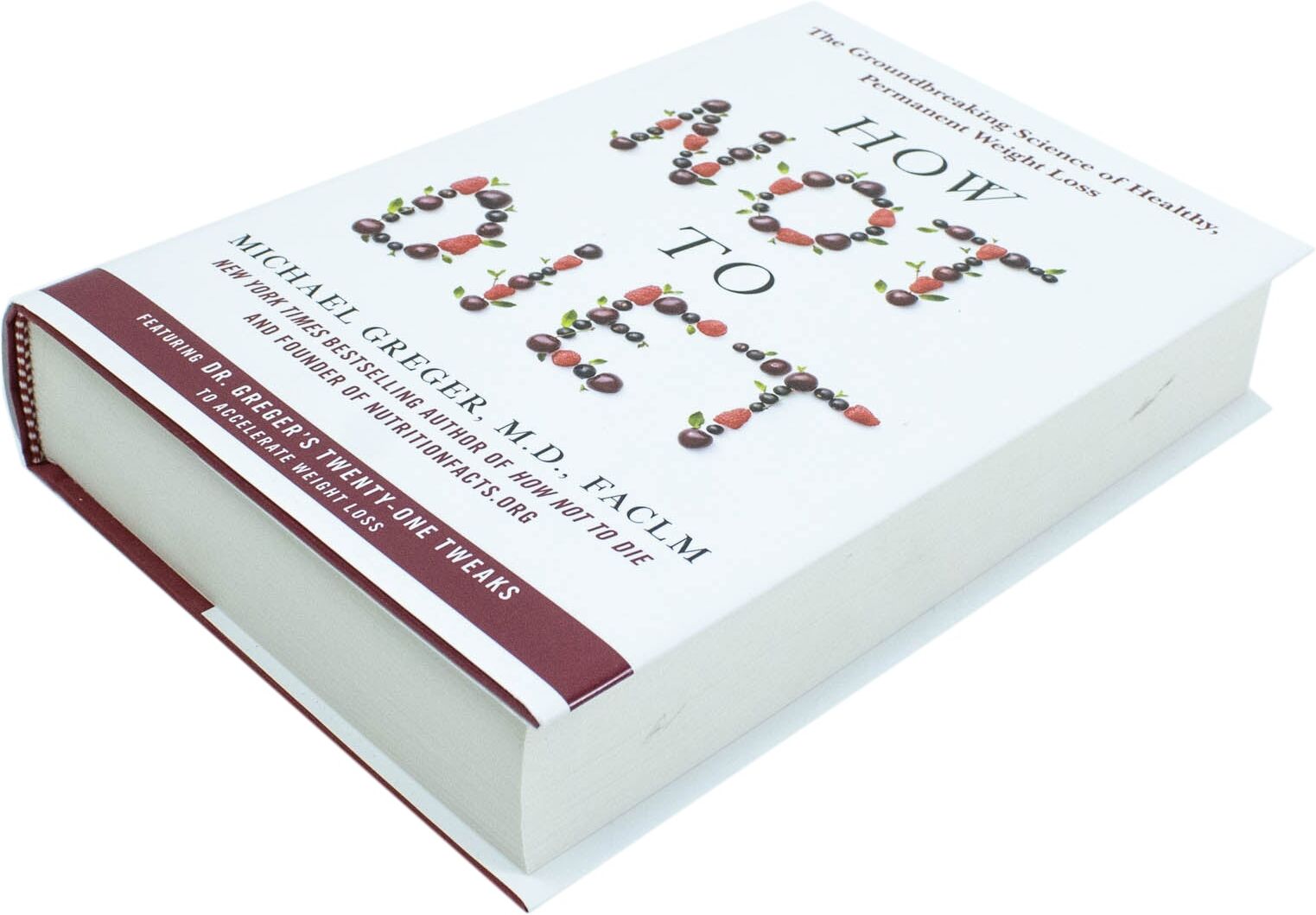
Bluebird How Not to Diet Book, By Michael Greger (Weight Loss Book)How Not to Diet Book, By Michael Greger (Weight Loss Book) Put an end to dieting and replace weight loss struggles with this easy approach to a healthy, plant-based lifestyle, from the bestselling author of How Not to Die. Every month seems to bring a trendy new diet or weight-loss fad – but they aren't making us happier or healthier as obesity rates continue to rise alongside a number of diseases and health problems. It’s time for a different approach. How Not to Diet is a treasure trove of buried data and cutting-edge dietary research that Dr Michael Greger has translated into accessible, actionable advice with exciting tools and tricks that will help you to eliminate unwanted body fat – for good. Dr Greger, renowned nutrition expert and founder of NutritionFacts.org, explores the many causes of obesity – from our genes to the portions on our plate to other environmental factors – and the many consequences, from diabetes to cancer to mental health issues. From there, Dr Greger breaks down a variety of approaches to weight loss, honing in on the optimal criteria that enable success, including: a diet high in fibre and water, a diet low in fat, salt, and sugar, and diet full of anti-inflammatory foods. How Not to Diet goes beyond food to identify twenty-one weight loss accelerators available to us in our body’s systems, incorporating the latest discoveries in cutting-edge areas like chronobiology to reveal the factors that maximize our natural fat-burning capabilities. This is the ultimate weight-loss guide, taking a timeless, proactive approach that can stand up to any new trend.4,06 £*Shipping: 1,99 £Secure redirect to the provider
-
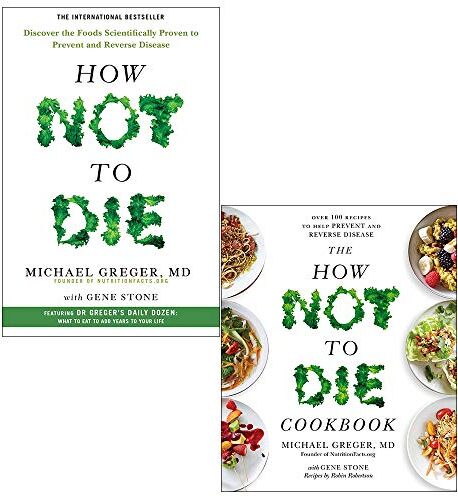
Pan Macmillan How Not To Die 2 Books Collection Set by Dr Michael Greger and Gene Stone (How Not To Die, How Not To Die Cookbook)How Not To Die Why rely on drugs and surgery to cure you of life-threatening disease when the right decisions can prevent you from falling ill to begin with? How Not To Die gives effective, scientifically-proven nutritional advice to prevent our biggest killers - including heart disease, breast cancer, prostate cancer, high blood pressure and diabetes - and reveals the astounding health benefits that simple dietary choices can provide. How Not To Die Cookbook Dr Michael Greger, founder of the wildly popular website NutritionFacts, takes his comprehensive, lifesaving science into the kitchen. Why suffer from disease and ill health when the right food is proven to keep you healthy, and without the side effects of drugs? We can avoid heart disease, cancer and our other biggest killers if we use food as medicine, and the How Not To Die Cookbook offers a sustainable and delicious guide to preparing and eating the foods that will prevent and reverse fatal diseases.15,45 £*Shipping: 2,99 £Secure redirect to the provider
-
Bluebird How to Stay Sane: The School of Life by Philippa PerryThere is no simple set of instructions that can guarantee sanity. But if you want to overcome emotional difficulties and become happier, psychotherapist Philippa Perry argues that there are four cornerstones to sanity you can influence to bring about change. By developing your self-observation skills, examining how you relate to others, breaking out of your comfort zone and exploring new ways of defining yourself, Philippa demonstrates that it is possible to become a little less tortured and a little more fulfilled. How to Stay Sane is at once a brilliant explanation of our minds and a profoundly useful guide to facing up to the many challenges life throws our way.3,99 £*Shipping: 1,99 £Secure redirect to the provider
-
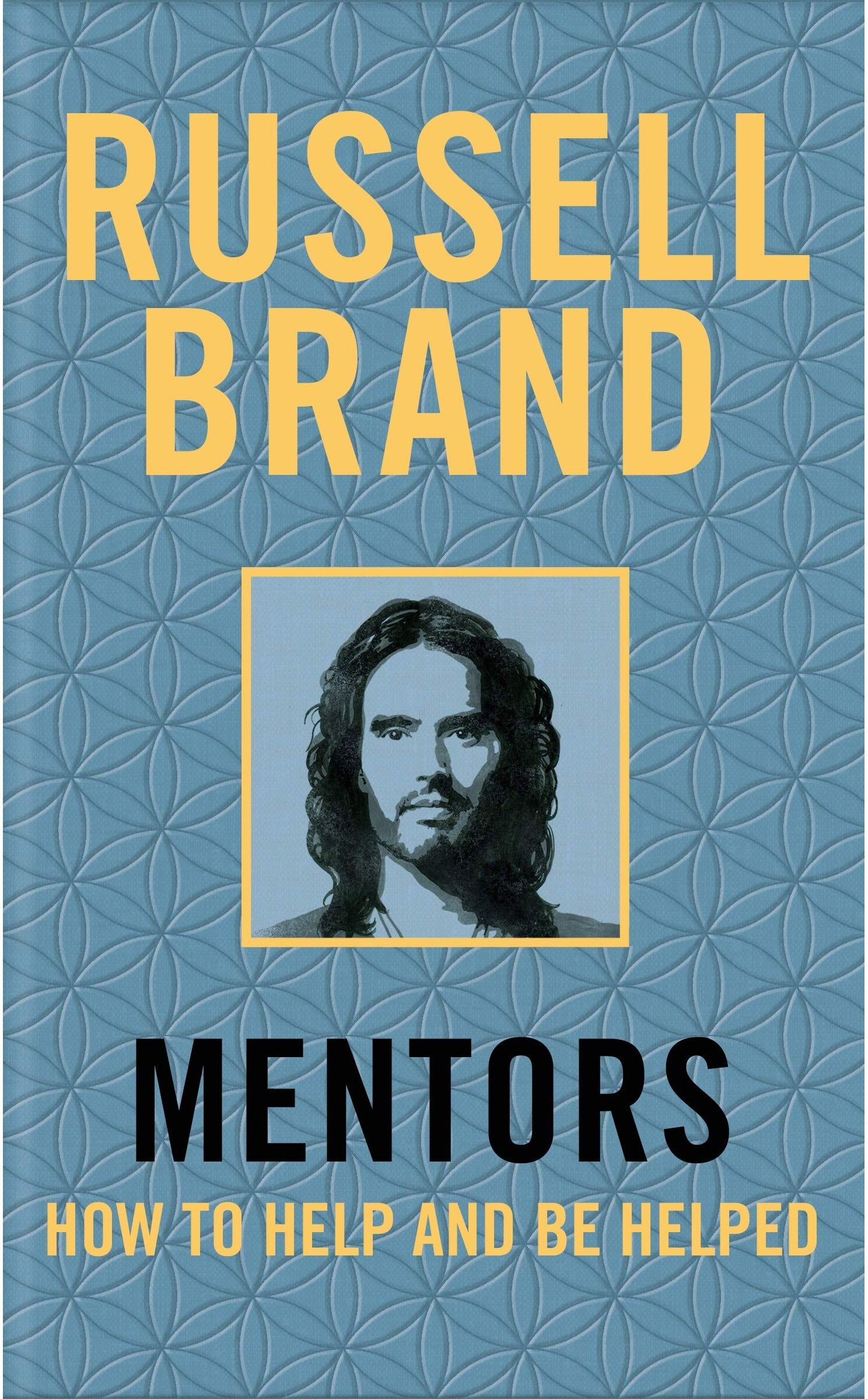
Bluebird Mentors: How to Help and Be Helped by Russell Brand – Personal Growth & Guidance BookRussell Brand Mentors How to Help and Be Helped ‘I have mentors in every area of my life, as a comic, a dad, a recovering drug addict, a spiritual being and as a man who believes that we, as individuals and the great globe itself, are works in progress and that through a chain of mentorship we can improve individually and globally, together . . . One of the unexpected advantages my drug addiction granted is that the process of recovery that I practise includes a mentorship tradition. I will encourage you to find mentors of your own and explain how you may better use the ones you already have. Furthermore, I will tell you about my experiences mentoring others and how invaluable that has been on my ongoing journey to self-acceptance and how it has helped me to transform from a bewildered and volatile vagabond to a (mostly) present and (usually) focussed husband and father.’ – Russell Brand Mentors: How to Help and Be Helped describes the impact that a series of significant people have had on the author – from the wayward youths he tried to emulate growing up in Essex, through the first ex-junkie stage, to the people he turns to today to help him be a better father. It explores how we all – consciously and unconsciously – choose guides, mentors and heroes throughout our lives and examines the new perspectives they can bring.1,99 £*Shipping: 1,99 £Secure redirect to the provider

-
How long does it take to become a professor of ophthalmology?
Becoming a professor of ophthalmology typically requires completing a bachelor's degree, followed by four years of medical school to earn a Doctor of Medicine (M.D.) or Doctor of Osteopathic Medicine (D.O.) degree. After medical school, aspiring ophthalmologists must complete a one-year internship and a three-year residency in ophthalmology. Following residency, some individuals may choose to pursue a fellowship in a specialized area of ophthalmology, which can take an additional one to two years. After completing these educational and training requirements, individuals can then pursue a faculty position at a medical school or university, where they can eventually become a professor of ophthalmology. Overall, the process to become a professor of ophthalmology can take approximately 12-15 years of education and training after completing a bachelor's degree. **
-
How can one improve vision through eye exercises?
One can improve vision through eye exercises by regularly practicing techniques that help strengthen eye muscles and improve focus. Some common exercises include palming, eye rotations, focusing on distant objects, and blinking regularly. It is important to be consistent with these exercises and to take breaks from screens to reduce eye strain. Additionally, maintaining a healthy lifestyle with a balanced diet and regular eye check-ups can also contribute to better vision. **
-
What is ophthalmology?
Ophthalmology is the branch of medicine that deals with the diagnosis and treatment of eye disorders and diseases. Ophthalmologists are medical doctors who specialize in the medical and surgical care of the eyes. They are trained to provide a wide range of eye care services, including performing eye exams, prescribing corrective lenses, diagnosing and treating eye conditions such as cataracts, glaucoma, and macular degeneration, and performing eye surgeries. Ophthalmology is a crucial field in maintaining and improving the health and function of the eyes. **
-
Which eye drops are used by the ophthalmologist?
The ophthalmologist may use a variety of eye drops depending on the specific condition being treated. Some common eye drops used by ophthalmologists include artificial tears for dry eye, antibiotic or antiviral eye drops for infections, steroid eye drops for inflammation, and dilating eye drops for eye exams. Additionally, ophthalmologists may also prescribe medicated eye drops for conditions such as glaucoma or allergies. It is important to follow the ophthalmologist's instructions for using the prescribed eye drops to ensure proper treatment and care for the eyes. **

Does an ophthalmologist need to be informed if one has less than 100 percent vision?
Yes, it is important to inform an ophthalmologist if you have less than 100 percent vision. This information is crucial for the ophthalmologist to accurately assess your eye health and provide appropriate treatment. It can also help the ophthalmologist to monitor any changes in your vision and make necessary adjustments to your treatment plan. Additionally, informing your ophthalmologist about any changes in your vision can help in early detection and management of any underlying eye conditions. **
How does spatial vision work with only one eye?
Spatial vision with only one eye is possible due to the brain's ability to interpret visual cues such as relative size, motion, and perspective. By combining these cues with past experiences and knowledge, the brain is able to create a sense of depth and distance. Additionally, the brain can also use monocular cues such as occlusion, shading, and texture gradient to perceive depth and spatial relationships. While having two eyes provides more accurate depth perception, individuals with only one eye can still navigate and interact with their environment effectively. **
Top-Angebote
Products related to Bluebird-How-Not-to:
-
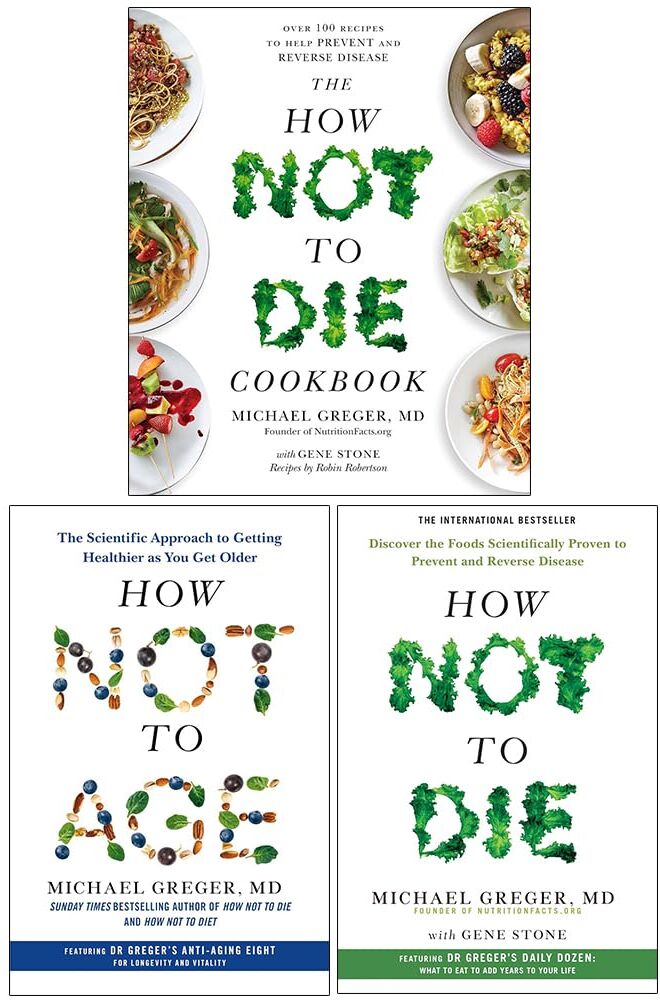
Bluebird/Pan ltd The How Not to Die Cookbook, How Not to Age and How Not to Die 3 Books Collection SetThe How Not to Die Cookbook, How Not to Age & How Not to Die 3 Books Collection Set: The How Not to Die Cookbook: Dr Michael Greger, founder of the wildly popular website NutritionFacts, takes his comprehensive, lifesaving science into the kitchen. Why suffer from disease and ill health when the right food is proven to keep you healthy, and without the side effects of drugs? We can avoid heart disease, cancer and our other biggest killers if we use food as medicine, and the How Not To Die Cookbook offers a sustainable and delicious guide to preparing and eating the foods that will prevent and reverse fatal diseases. How Not to Age: Dr Michael Greger digs into the top peer-reviewed anti-ageing research to deliver a complete and optimal guide with simple steps to extend your lifespan and slow the adverse effects of ageing.Inspired by the dietary and lifestyle patterns of the world’s centenarians and residents of ‘blue zone’ regions where people live the longest, Dr Greger presents easy, evidence-based ways to preserve the body functions that keep us feeling youthful, both physically and mentally. How Not to Die: How Not To Die examines each of the most common diseases to reveal what, how and why different foods affect us, and how increasing our consumption of certain foods and avoiding others can dramatically reduce our risk of falling sick and even reverse the effects of disease. It also shares Dr Greger's 'Daily Dozen' - the twelve foods we should all eat every day to stay in the best of health.20,95 £*Shipping: 2,99 £Secure redirect to the provider
-
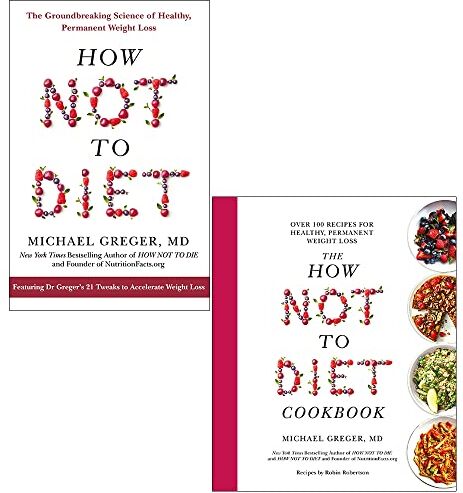
Bluebird Ltd Michael Greger Collection 2 Books Set (How Not to Diet, The How Not to Diet Cookbook)Michael Greger Collection 2 Books Set (How Not to Diet, The How Not to Diet Cookbook): The How Not to Diet Cookbook: Greger offers readers delicious yet healthy options that allow them to ditch the idea of 'dieting' altogether. As outlined in his book How Not to Diet, Greger believes that identifying the twenty-one weight-loss accelerators in our bodies and incorporating new, cutting-edge medical discoveries are integral in putting an end to the all-consuming activity of counting calories and getting involved in expensive juice cleanses and paid diet programmes.The How Not to Diet Cookbook is a revolutionary addition to the cookbook industry: incredibly effective and designed for everyone looking to make changes to their dietary habits to improve their quality of life. How Not to Diet: How Not to Diet is a treasure trove of buried data and cutting-edge dietary research that Dr Michael Greger has translated into accessible, actionable advice with exciting tools and tricks that will help you to eliminate unwanted body fat – for good.Dr Greger, renowned nutrition expert and founder of NutritionFacts.org, explores the many causes of obesity – from our genes to the portions on our plate to other environmental factors – and the many consequences, from diabetes to cancer to mental health issues. From there, Dr Greger breaks down a variety of approaches to weight loss, honing in on the optimal criteria that enable success, including: a diet high in fibre and water, a diet low in fat, salt, and sugar, and diet full of anti-inflammatory foods.13,99 £*Shipping: 2,99 £Secure redirect to the provider
-
Bluebird How Not to Diet Book, By Michael Greger (Weight Loss Book)How Not to Diet Book, By Michael Greger (Weight Loss Book) Put an end to dieting and replace weight loss struggles with this easy approach to a healthy, plant-based lifestyle, from the bestselling author of How Not to Die. Every month seems to bring a trendy new diet or weight-loss fad – but they aren't making us happier or healthier as obesity rates continue to rise alongside a number of diseases and health problems. It’s time for a different approach. How Not to Diet is a treasure trove of buried data and cutting-edge dietary research that Dr Michael Greger has translated into accessible, actionable advice with exciting tools and tricks that will help you to eliminate unwanted body fat – for good. Dr Greger, renowned nutrition expert and founder of NutritionFacts.org, explores the many causes of obesity – from our genes to the portions on our plate to other environmental factors – and the many consequences, from diabetes to cancer to mental health issues. From there, Dr Greger breaks down a variety of approaches to weight loss, honing in on the optimal criteria that enable success, including: a diet high in fibre and water, a diet low in fat, salt, and sugar, and diet full of anti-inflammatory foods. How Not to Diet goes beyond food to identify twenty-one weight loss accelerators available to us in our body’s systems, incorporating the latest discoveries in cutting-edge areas like chronobiology to reveal the factors that maximize our natural fat-burning capabilities. This is the ultimate weight-loss guide, taking a timeless, proactive approach that can stand up to any new trend.4,06 £*Shipping: 1,99 £Secure redirect to the provider
-
Pan Macmillan How Not To Die 2 Books Collection Set by Dr Michael Greger and Gene Stone (How Not To Die, How Not To Die Cookbook)How Not To Die Why rely on drugs and surgery to cure you of life-threatening disease when the right decisions can prevent you from falling ill to begin with? How Not To Die gives effective, scientifically-proven nutritional advice to prevent our biggest killers - including heart disease, breast cancer, prostate cancer, high blood pressure and diabetes - and reveals the astounding health benefits that simple dietary choices can provide. How Not To Die Cookbook Dr Michael Greger, founder of the wildly popular website NutritionFacts, takes his comprehensive, lifesaving science into the kitchen. Why suffer from disease and ill health when the right food is proven to keep you healthy, and without the side effects of drugs? We can avoid heart disease, cancer and our other biggest killers if we use food as medicine, and the How Not To Die Cookbook offers a sustainable and delicious guide to preparing and eating the foods that will prevent and reverse fatal diseases.15,45 £*Shipping: 2,99 £Secure redirect to the provider
-
Which model is the Nissan Bluebird 20 SLX as a first car?
The Nissan Bluebird 20 SLX can be a good choice as a first car for several reasons. It is known for its reliability and durability, which is important for a first-time car owner. Additionally, it offers good fuel efficiency and a comfortable ride, making it suitable for daily commuting. Its simple and straightforward design also makes it easy to maintain and repair, which can be beneficial for someone new to car ownership. Overall, the Nissan Bluebird 20 SLX can be a practical and sensible option for a first car. **
-
How does an eye examination at the ophthalmologist proceed?
During an eye examination at the ophthalmologist, the patient's medical history and any current eye issues are discussed. The ophthalmologist then performs various tests to assess the patient's vision, eye pressure, and overall eye health. This may include using a chart to check visual acuity, examining the eyes with a light, and using special instruments to look at the back of the eye. Based on the results of these tests, the ophthalmologist can diagnose any vision problems or eye conditions and recommend appropriate treatment. **
-
How long does it take to become a professor of ophthalmology?
Becoming a professor of ophthalmology typically requires completing a bachelor's degree, followed by four years of medical school to earn a Doctor of Medicine (M.D.) or Doctor of Osteopathic Medicine (D.O.) degree. After medical school, aspiring ophthalmologists must complete a one-year internship and a three-year residency in ophthalmology. Following residency, some individuals may choose to pursue a fellowship in a specialized area of ophthalmology, which can take an additional one to two years. After completing these educational and training requirements, individuals can then pursue a faculty position at a medical school or university, where they can eventually become a professor of ophthalmology. Overall, the process to become a professor of ophthalmology can take approximately 12-15 years of education and training after completing a bachelor's degree. **
-
How can one improve vision through eye exercises?
One can improve vision through eye exercises by regularly practicing techniques that help strengthen eye muscles and improve focus. Some common exercises include palming, eye rotations, focusing on distant objects, and blinking regularly. It is important to be consistent with these exercises and to take breaks from screens to reduce eye strain. Additionally, maintaining a healthy lifestyle with a balanced diet and regular eye check-ups can also contribute to better vision. **
Similar search terms for Bluebird-How-Not-to
-
Bluebird How to Stay Sane: The School of Life by Philippa PerryThere is no simple set of instructions that can guarantee sanity. But if you want to overcome emotional difficulties and become happier, psychotherapist Philippa Perry argues that there are four cornerstones to sanity you can influence to bring about change. By developing your self-observation skills, examining how you relate to others, breaking out of your comfort zone and exploring new ways of defining yourself, Philippa demonstrates that it is possible to become a little less tortured and a little more fulfilled. How to Stay Sane is at once a brilliant explanation of our minds and a profoundly useful guide to facing up to the many challenges life throws our way.3,99 £*Shipping: 1,99 £Secure redirect to the provider
-
Bluebird Mentors: How to Help and Be Helped by Russell Brand – Personal Growth & Guidance BookRussell Brand Mentors How to Help and Be Helped ‘I have mentors in every area of my life, as a comic, a dad, a recovering drug addict, a spiritual being and as a man who believes that we, as individuals and the great globe itself, are works in progress and that through a chain of mentorship we can improve individually and globally, together . . . One of the unexpected advantages my drug addiction granted is that the process of recovery that I practise includes a mentorship tradition. I will encourage you to find mentors of your own and explain how you may better use the ones you already have. Furthermore, I will tell you about my experiences mentoring others and how invaluable that has been on my ongoing journey to self-acceptance and how it has helped me to transform from a bewildered and volatile vagabond to a (mostly) present and (usually) focussed husband and father.’ – Russell Brand Mentors: How to Help and Be Helped describes the impact that a series of significant people have had on the author – from the wayward youths he tried to emulate growing up in Essex, through the first ex-junkie stage, to the people he turns to today to help him be a better father. It explores how we all – consciously and unconsciously – choose guides, mentors and heroes throughout our lives and examines the new perspectives they can bring.1,99 £*Shipping: 1,99 £Secure redirect to the provider
-
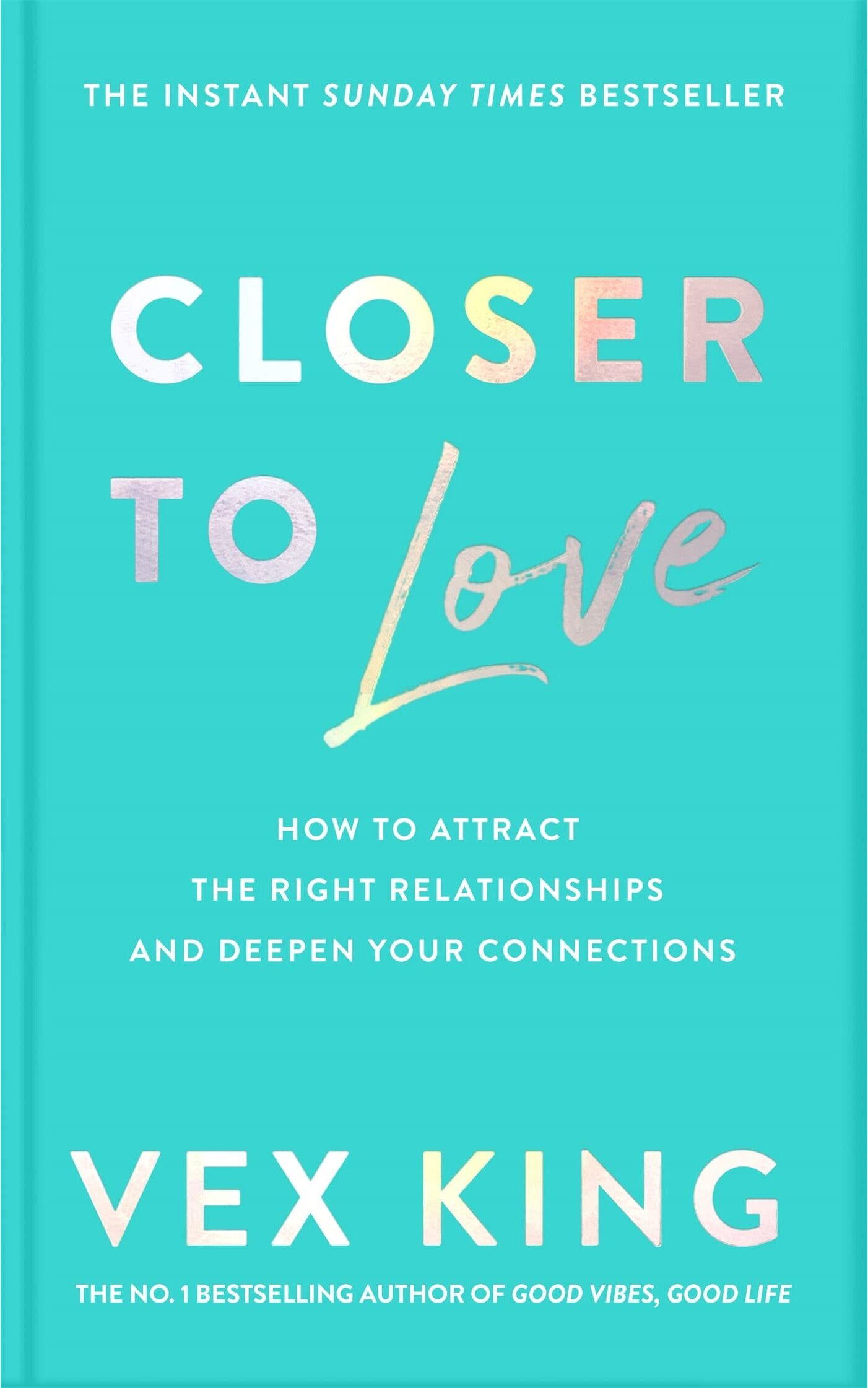
Bluebird Closer to Love: How to Attract the Right Relationships and Deepen Your Connections by Vex King - PAPERBACKDo you love your partner but want to rekindle that ‘in love’ feeling?Do you go on plenty of dates but can’t seem to click with the right person?Do you keep having the same conflicts with your partner?Embark on a journey of self-love to experience authentic connection and unconditional love . . .Speaking from his personal experiences of healing from heartbreak and finding lasting love, Vex shares practical advice and thought-provoking insights to help you:- Understand how you love and the role you play in your connections- Heal from past conditioning, unprocessed emotions and trauma- Cultivate healthy habits, boundaries and behaviours- Nurture meaningful, mindful and lasting connections.Essential reading for anyone looking to deepen their understanding of themselves and their relationships.7,99 £*Shipping: 2,99 £Secure redirect to the provider
-
How Not to Age: by Michael Greger - Non Fiction - Paperback Pan MacmillanThe Scientific Approach to Getting Healthier as You Get Older Live better for longer with this ultimate guide to longevity from the author of How Not to Die. We all want to stay healthy as we age but, with so many different claims out there, it can be hard to know the best advice to follow. In How Not to Age, Dr Michael Greger digs into the top peer-reviewed anti-ageing research to deliver a complete and optimal guide with simple steps to extend your lifespan and slow the adverse effects of ageing. Inspired by the dietary and lifestyle patterns of the world’s centenarians and residents of ‘blue zone’ regions where people live the longest, Dr Greger presents easy, evidence-based ways to preserve the body functions that keep us feeling youthful, both physically and mentally. Can an apple a day really keep the doctor away? What’s better for your longevity, jogging for four hours or eating two handfuls of nuts twice a week? Brimming with expertise, How Not to Age lays out practical strategies for living your longest, healthiest life – and for enjoying every moment of it.10,99 £*Shipping: 2,99 £Secure redirect to the provider
-
What is ophthalmology?
Ophthalmology is the branch of medicine that deals with the diagnosis and treatment of eye disorders and diseases. Ophthalmologists are medical doctors who specialize in the medical and surgical care of the eyes. They are trained to provide a wide range of eye care services, including performing eye exams, prescribing corrective lenses, diagnosing and treating eye conditions such as cataracts, glaucoma, and macular degeneration, and performing eye surgeries. Ophthalmology is a crucial field in maintaining and improving the health and function of the eyes. **
-
Which eye drops are used by the ophthalmologist?
The ophthalmologist may use a variety of eye drops depending on the specific condition being treated. Some common eye drops used by ophthalmologists include artificial tears for dry eye, antibiotic or antiviral eye drops for infections, steroid eye drops for inflammation, and dilating eye drops for eye exams. Additionally, ophthalmologists may also prescribe medicated eye drops for conditions such as glaucoma or allergies. It is important to follow the ophthalmologist's instructions for using the prescribed eye drops to ensure proper treatment and care for the eyes. **
-
Does an ophthalmologist need to be informed if one has less than 100 percent vision?
Yes, it is important to inform an ophthalmologist if you have less than 100 percent vision. This information is crucial for the ophthalmologist to accurately assess your eye health and provide appropriate treatment. It can also help the ophthalmologist to monitor any changes in your vision and make necessary adjustments to your treatment plan. Additionally, informing your ophthalmologist about any changes in your vision can help in early detection and management of any underlying eye conditions. **
-
How does spatial vision work with only one eye?
Spatial vision with only one eye is possible due to the brain's ability to interpret visual cues such as relative size, motion, and perspective. By combining these cues with past experiences and knowledge, the brain is able to create a sense of depth and distance. Additionally, the brain can also use monocular cues such as occlusion, shading, and texture gradient to perceive depth and spatial relationships. While having two eyes provides more accurate depth perception, individuals with only one eye can still navigate and interact with their environment effectively. **
* All prices are inclusive of VAT and, if applicable, plus shipping costs. The offer information is based on the details provided by the respective shop and is updated through automated processes. Real-time updates do not occur, so deviations can occur in individual cases. ** Note: Parts of this content were created by AI.