Buy augenaerzte.eu ?
We are moving the project
augenaerzte.eu .
Are you interested in purchasing the domain
augenaerzte.eu ?
domain@kv-gmbh.de · 0541-91531010
Buy augenaerzte.eu ?
What does media literacy mean?
Media literacy refers to the ability to access, analyze, evaluate, and create media in a variety of forms. It involves understanding how media messages are constructed, and being able to critically assess the information and ideas presented. Media literacy also includes the skills to effectively communicate through media, and to use media in a responsible and ethical manner. Overall, media literacy empowers individuals to be informed and active participants in our media-saturated society. **
Does the truth really need media literacy?
Yes, the truth does need media literacy. Media literacy helps individuals critically analyze and evaluate the information they consume, enabling them to discern between factual information and misinformation. In today's digital age, where information is easily accessible and can be easily manipulated, media literacy is essential for ensuring that the truth is not distorted or misrepresented. By being media literate, individuals can better navigate the vast amount of information available to them and make informed decisions based on accurate and reliable sources. **


Similar search terms for Literacy
Top-Angebote
Products related to Literacy:
-
Uplifted Finds Artisan Vision Coasters 6 Pack Devil's Eye Wooden Table Protection Executive Studio & Mystic Sanctuary Decor Artisan Vision Coasters 6 Pack Devil's Eye Wooden Table Protection Executive Studio & Mystic Sanctuary Decor"Inaugurate a protective ""InsightSanctuary"" energy in your environment with our Artisan Vision Coasters. This premium 6piece set of wooden desktop insulation mats is the ultimate designer solution for creating a ""MysticModern"" or..."43,97 $*Shipping: 0,00 $Secure redirect to the provider
-
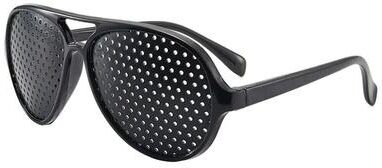
Uplift Essentials Improving Vision Pinhole Glasses For Eye Training And Focus Correction style BStrengthen your eye focus naturally with these specially designed pinhole glasses that help reduce visual strain and support healthier eyesight habits. By letting your eyes look through precision micro holes, these glasses encourage your vision to...34,97 $*Shipping: 0,00 $Secure redirect to the provider
-
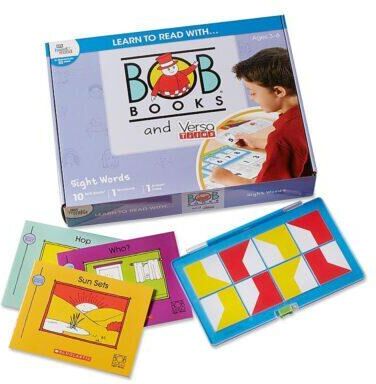
BOB Books VersaTiles Kit: Sight WordsBob Books offers repetition and fun stories to introduce important sight words. Consistent short vowels and simple stories ensure that each book is a gentle step into early reading.Alongside these books students can practice the skills they are...39,99 $*Shipping: 0,00 $Secure redirect to the provider
-
BOB Books Water Workbook: Sight Words SetBring Bob Books characters to life and extend the learning from the beloved Bob Books Kindergarten Sight Words series! Children have on-the-go fun while developing critical prereading and fine motor skills. Use the soft-tip water pen to fill the...22,99 $*Shipping: 0,00 $Secure redirect to the provider


-
What are the differences between mathematical literacy and mathematics?
Mathematical literacy refers to the ability to understand and use mathematics in everyday life, such as interpreting data, making decisions based on numerical information, and solving practical problems. It focuses on the application of mathematical concepts in real-world situations. On the other hand, mathematics is the academic discipline that involves the study of numbers, quantities, shapes, and patterns, and the relationships between them. It is a more formal and abstract study of mathematical concepts, often involving rigorous proofs and theoretical frameworks. While mathematical literacy emphasizes practical application, mathematics focuses on theoretical understanding and development of mathematical principles. **
-
Should media literacy not become a mandatory subject in schools?
Media literacy should become a mandatory subject in schools because it is essential for students to develop critical thinking skills and the ability to analyze and evaluate media messages. In today's digital age, students are constantly bombarded with information from various sources, and it is crucial for them to be able to discern between credible and unreliable sources. Media literacy also helps students understand the impact of media on society and their own lives, empowering them to make informed decisions. By integrating media literacy into the curriculum, schools can better prepare students to navigate the complex media landscape and become responsible, discerning consumers of information. **
-
What are the differences between basic mathematical literacy and mathematics?
Basic mathematical literacy refers to the ability to understand and use fundamental mathematical concepts and skills, such as arithmetic, basic algebra, and geometry, to solve everyday problems. It involves being able to interpret and use numbers, measurements, and basic mathematical operations in practical situations. On the other hand, mathematics encompasses a much broader and deeper understanding of mathematical concepts, theories, and principles. It involves the study of advanced topics such as calculus, statistics, and abstract algebra, and the ability to apply mathematical reasoning and problem-solving skills to complex and theoretical problems. In essence, mathematical literacy is a foundational understanding of basic mathematical concepts, while mathematics involves a more advanced and comprehensive study of the subject. **
-
Does anyone know good arguments for why media literacy is so important?
Media literacy is crucial in today's digital age because it helps individuals critically analyze and evaluate the information they consume. By understanding how media messages are constructed and the potential biases they may contain, people can make more informed decisions and avoid being manipulated by false or misleading content. Media literacy also empowers individuals to be active and responsible participants in society, enabling them to engage in meaningful discussions, challenge misinformation, and contribute to a more informed and democratic society. **

When can one expect measures to promote media literacy in children and adolescents?
Measures to promote media literacy in children and adolescents can be expected to be implemented in educational settings, such as schools and after-school programs. Additionally, parents and caregivers can also play a crucial role in promoting media literacy by engaging in conversations with their children about media content and teaching them critical thinking skills. Furthermore, government and non-profit organizations may also implement initiatives to promote media literacy through public awareness campaigns and policy advocacy. Overall, promoting media literacy in children and adolescents is an ongoing effort that involves collaboration between various stakeholders. **
What responsibility do parents and legal guardians have in promoting media literacy in children?
Parents and legal guardians have a significant responsibility in promoting media literacy in children. They should actively engage with their children about the media they consume, teaching them to critically analyze and question the messages and content they encounter. It is important for parents to set guidelines and boundaries for media use, and to model healthy media consumption habits themselves. By fostering open communication and providing guidance, parents and legal guardians can help children develop the skills to navigate and understand the media landscape. **
Top-Angebote
Products related to Literacy:
-
Happy Pet Pantry Pure Sight Pet Eye Wipes For Dogs & Cats Tear Stain Remover & Daily Eye Cleaner Pure Sight Pet Eye Wipes For Dogs & Cats Tear Stain Remover & Daily Eye CleanerKeep your pet looking fresh, clean, and comfortable every day with pet eye wipes designed to gently remove dirt, discharge, and tear stains. Perfect for both dogs and cats, these soft cleansing wipes help maintain a cleaner eye area without causing...31,97 $*Shipping: 0,00 $Secure redirect to the provider
-
All Categories Goods Inline Sanitary Flow Sight Glass With Tri Clamp Sight Glass For Food & Beverage Inline Sanitary Flow Sight Glass With Tri Clamp Sight Glass For Food & BeverageImagine always knowing exactly whats flowing through your system at a glance no guesswork, no interruptions. This 4 approx inline sight glass gives brewers, food processors, and beverage makers a crystalclear view of liquids in motion, so you can...126,97 $*Shipping: 0,00 $Secure redirect to the provider
-
Uplifted Finds Artisan Vision Coasters 6 Pack Devil's Eye Wooden Table Protection Executive Studio & Mystic Sanctuary Decor Artisan Vision Coasters 6 Pack Devil's Eye Wooden Table Protection Executive Studio & Mystic Sanctuary Decor"Inaugurate a protective ""InsightSanctuary"" energy in your environment with our Artisan Vision Coasters. This premium 6piece set of wooden desktop insulation mats is the ultimate designer solution for creating a ""MysticModern"" or..."43,97 $*Shipping: 0,00 $Secure redirect to the provider
-
Uplift Essentials Improving Vision Pinhole Glasses For Eye Training And Focus Correction style BStrengthen your eye focus naturally with these specially designed pinhole glasses that help reduce visual strain and support healthier eyesight habits. By letting your eyes look through precision micro holes, these glasses encourage your vision to...34,97 $*Shipping: 0,00 $Secure redirect to the provider
-
What does media literacy mean?
Media literacy refers to the ability to access, analyze, evaluate, and create media in a variety of forms. It involves understanding how media messages are constructed, and being able to critically assess the information and ideas presented. Media literacy also includes the skills to effectively communicate through media, and to use media in a responsible and ethical manner. Overall, media literacy empowers individuals to be informed and active participants in our media-saturated society. **
-
Does the truth really need media literacy?
Yes, the truth does need media literacy. Media literacy helps individuals critically analyze and evaluate the information they consume, enabling them to discern between factual information and misinformation. In today's digital age, where information is easily accessible and can be easily manipulated, media literacy is essential for ensuring that the truth is not distorted or misrepresented. By being media literate, individuals can better navigate the vast amount of information available to them and make informed decisions based on accurate and reliable sources. **
-
What are the differences between mathematical literacy and mathematics?
Mathematical literacy refers to the ability to understand and use mathematics in everyday life, such as interpreting data, making decisions based on numerical information, and solving practical problems. It focuses on the application of mathematical concepts in real-world situations. On the other hand, mathematics is the academic discipline that involves the study of numbers, quantities, shapes, and patterns, and the relationships between them. It is a more formal and abstract study of mathematical concepts, often involving rigorous proofs and theoretical frameworks. While mathematical literacy emphasizes practical application, mathematics focuses on theoretical understanding and development of mathematical principles. **
-
Should media literacy not become a mandatory subject in schools?
Media literacy should become a mandatory subject in schools because it is essential for students to develop critical thinking skills and the ability to analyze and evaluate media messages. In today's digital age, students are constantly bombarded with information from various sources, and it is crucial for them to be able to discern between credible and unreliable sources. Media literacy also helps students understand the impact of media on society and their own lives, empowering them to make informed decisions. By integrating media literacy into the curriculum, schools can better prepare students to navigate the complex media landscape and become responsible, discerning consumers of information. **
Similar search terms for Literacy
-
BOB Books VersaTiles Kit: Sight WordsBob Books offers repetition and fun stories to introduce important sight words. Consistent short vowels and simple stories ensure that each book is a gentle step into early reading.Alongside these books students can practice the skills they are...39,99 $*Shipping: 0,00 $Secure redirect to the provider
-
BOB Books Water Workbook: Sight Words SetBring Bob Books characters to life and extend the learning from the beloved Bob Books Kindergarten Sight Words series! Children have on-the-go fun while developing critical prereading and fine motor skills. Use the soft-tip water pen to fill the...22,99 $*Shipping: 0,00 $Secure redirect to the provider
-
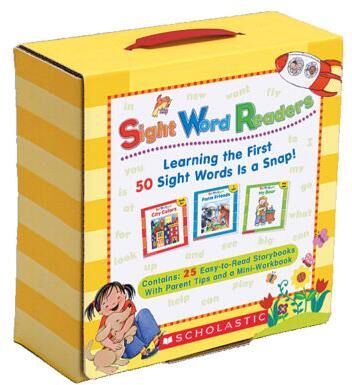
Scholastic Teaching Resources Sight Word Readers Parent PackHelp your child soar in reading with this set of 25 little books that teach 50 of the most frequently used words in print! Kids will love these playful stories they can read all by themselves. You'll love the fact that each one builds reading skills...23,99 $*Shipping: 0,00 $Secure redirect to the provider
-
Scholastic Teaching Resources Sight Word Readers Classroom Box SetJumpstart reading success with this irresistible collection of 125 little books that introduce and reinforce the first 50 must-know sight words! Each set includes a sturdy storage box stocked with 5 copies of 25 delightful tales—each presenting two...101,99 $*Shipping: 0,00 $Secure redirect to the provider
-
What are the differences between basic mathematical literacy and mathematics?
Basic mathematical literacy refers to the ability to understand and use fundamental mathematical concepts and skills, such as arithmetic, basic algebra, and geometry, to solve everyday problems. It involves being able to interpret and use numbers, measurements, and basic mathematical operations in practical situations. On the other hand, mathematics encompasses a much broader and deeper understanding of mathematical concepts, theories, and principles. It involves the study of advanced topics such as calculus, statistics, and abstract algebra, and the ability to apply mathematical reasoning and problem-solving skills to complex and theoretical problems. In essence, mathematical literacy is a foundational understanding of basic mathematical concepts, while mathematics involves a more advanced and comprehensive study of the subject. **
-
Does anyone know good arguments for why media literacy is so important?
Media literacy is crucial in today's digital age because it helps individuals critically analyze and evaluate the information they consume. By understanding how media messages are constructed and the potential biases they may contain, people can make more informed decisions and avoid being manipulated by false or misleading content. Media literacy also empowers individuals to be active and responsible participants in society, enabling them to engage in meaningful discussions, challenge misinformation, and contribute to a more informed and democratic society. **
-
When can one expect measures to promote media literacy in children and adolescents?
Measures to promote media literacy in children and adolescents can be expected to be implemented in educational settings, such as schools and after-school programs. Additionally, parents and caregivers can also play a crucial role in promoting media literacy by engaging in conversations with their children about media content and teaching them critical thinking skills. Furthermore, government and non-profit organizations may also implement initiatives to promote media literacy through public awareness campaigns and policy advocacy. Overall, promoting media literacy in children and adolescents is an ongoing effort that involves collaboration between various stakeholders. **
-
What responsibility do parents and legal guardians have in promoting media literacy in children?
Parents and legal guardians have a significant responsibility in promoting media literacy in children. They should actively engage with their children about the media they consume, teaching them to critically analyze and question the messages and content they encounter. It is important for parents to set guidelines and boundaries for media use, and to model healthy media consumption habits themselves. By fostering open communication and providing guidance, parents and legal guardians can help children develop the skills to navigate and understand the media landscape. **
* All prices are inclusive of VAT and, if applicable, plus shipping costs. The offer information is based on the details provided by the respective shop and is updated through automated processes. Real-time updates do not occur, so deviations can occur in individual cases. ** Note: Parts of this content were created by AI.